We use cookies to make your experience better. By browsing our site you agree to accept all cookies. Learn more.

The Art of Charcuterie
October 28, 2019
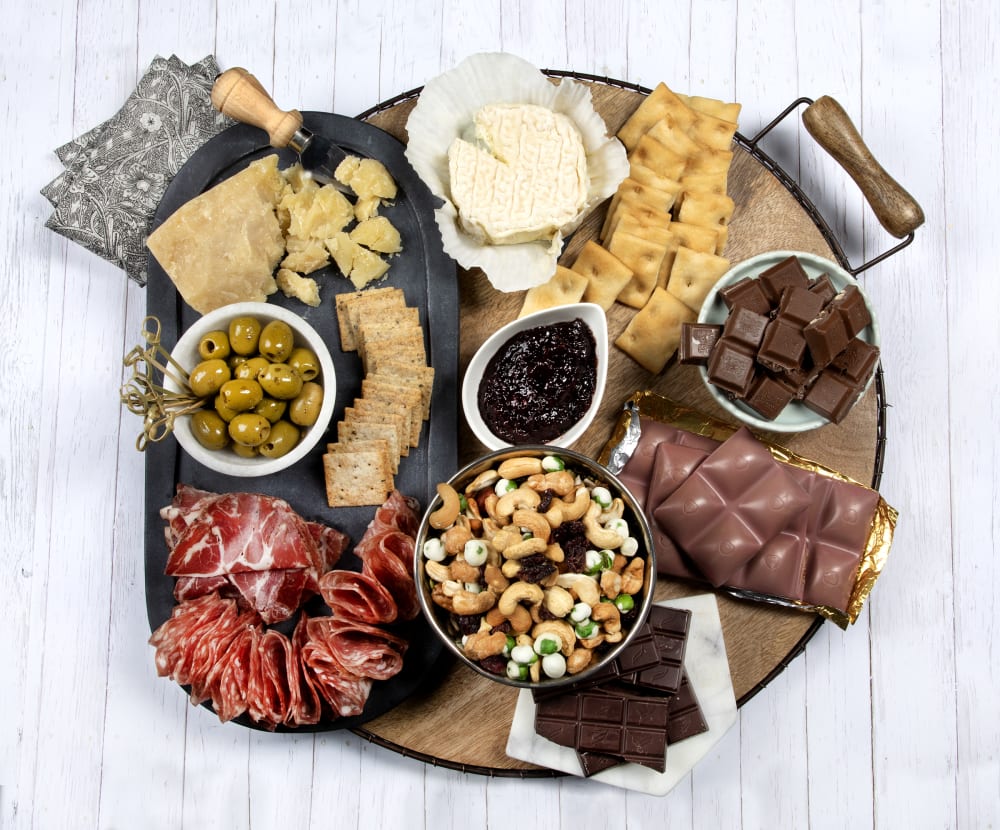
The Art of the Charcuterie Board
Charcuterie — aka cured meats, and cheeses, once seen as a high-end European-type meal is gaining popularity in the United States. A 2017 Nielsen survey found that the meat department and deli counter represent a $9 billion industry in the US, with $200 million of that coming from the specialty deli meat segment. The same growth can be seen in cheese. USDA stats show that consumption of cheese in the US has more than doubled from 14.3lbs in 1975 to 36.9lbs in 2017. In fact, according to Packaged Foods, projects that the natural and specialty cheese market will grow to exceed $18 billion by 2023.
The rise in specialty meats and cheese is attributed to customers’ love of the exotic, local, and in the case of meat products, heritage cuts, which are more sustainable. Whether it’s an intimate dinner or a large get-together, customers are looking to create special moments for guests through exceptional and unique food experiences.
A charcuterie board requires more effort than simply slapping some meat and cheese on a platter. Charcuterie is actually an art. By knowing the different elements that go into a restaurant-grade spread, you can be a valuable resource for customers. We break down the charcuterie ‘must-haves’ into 6 main categories.
Cured Meats & Meat Alternatives
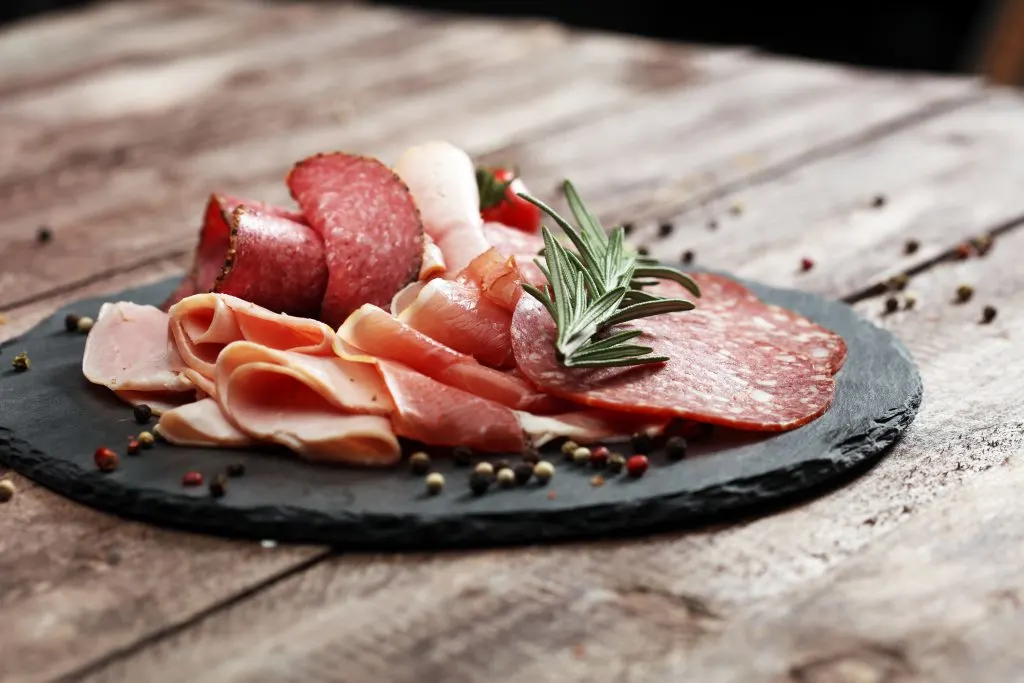
That rolled-up selection of deli meats on a platter is so yesterday (thankfully). Customers appreciate higher end meats cured using more traditional, natural methods. They want a selection infused with unique flavors to pair with the other charcuterie board staples. Charcuterie boards are often served with wine, so we love this naturally cured, American crafted pinot grigio salami from Volpi. Round out the offering with other Volpi meats like traditional prosciutto, and chorizo. For international flare, offer an imported Italian black pepper salami from Bellentani or Spanish serrano ham from Solera — no need to stamp the passport.
Good to know: With meat alternatives gaining popularity, offering meat-free options alongside classics will earn you bonus points. Vegetable pates are a great way to start. Alexian offers a mixed vegetable and wild forest mushroom pate with creamy texture and rich flavor.
Cheese
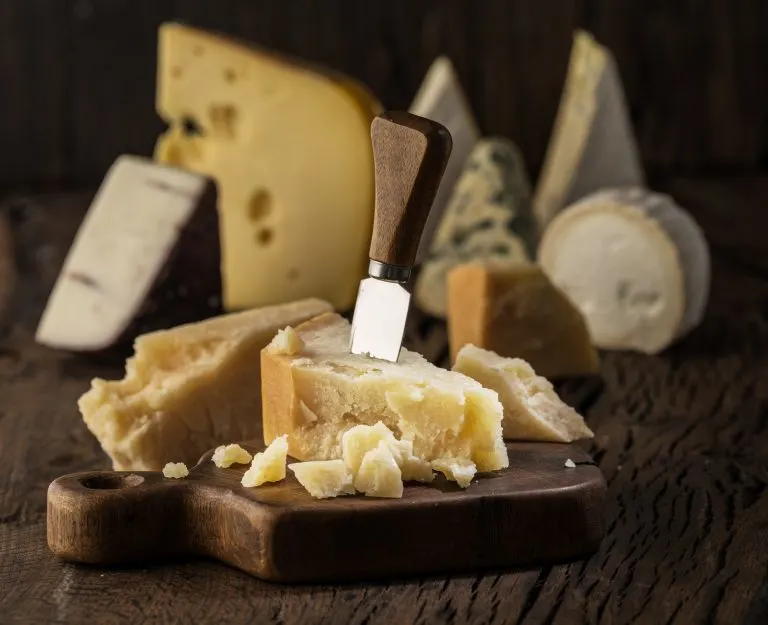
With so many cheese varieties, how do you help guide customers to the best items? Martha Stewart suggests variety in milk type, age, texture, shape, and color. At least one hard cheese and one soft is key. Manchego for hard, French Brie for soft, and aged cheddar for familiarity. Add in blue cheese for color and tang, and a creamy goat cheese for balance.
Nuts & Olives
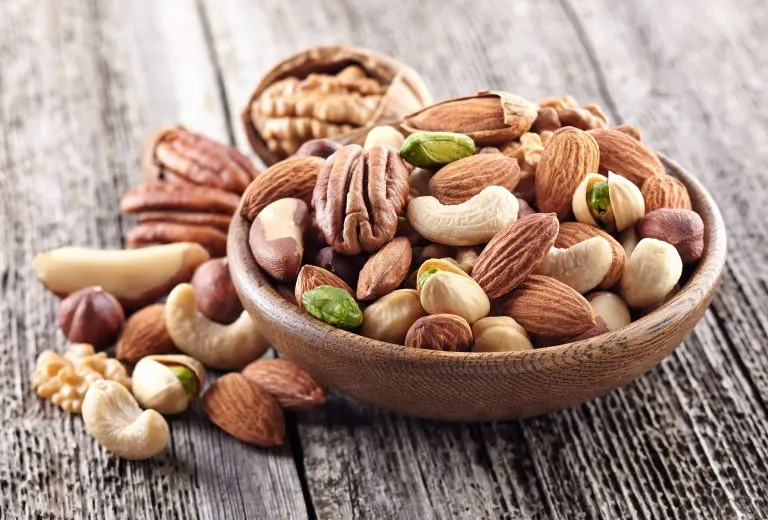
Nut mixes and olives add texture, color, and interest. Try Nassau Candy’s Dieter’s Delight mix or Antioxidant Mix. For olives, Castella’s colossal Sicilian olives make a statement. Or try a mix with Country Olive Mix.
Chocolate
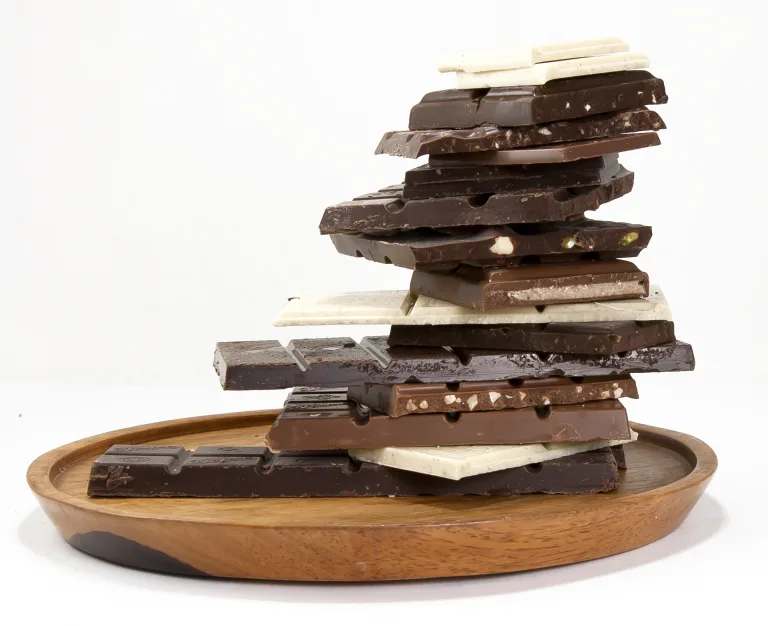
Chocolate adds important balance to savory spreads. Smoky notes from bacon or stout chocolate bars, or the fruity tang of Ruby chocolate, all pair beautifully with meats and cheeses. Don’t overlook this sweet element!
Fruit Spreads

Fruit spreads add sweetness and acidity. Stick with tangy options like Hero apricot, Dalmatia fig, or Sarabeth’s mixed berry.
Crackers
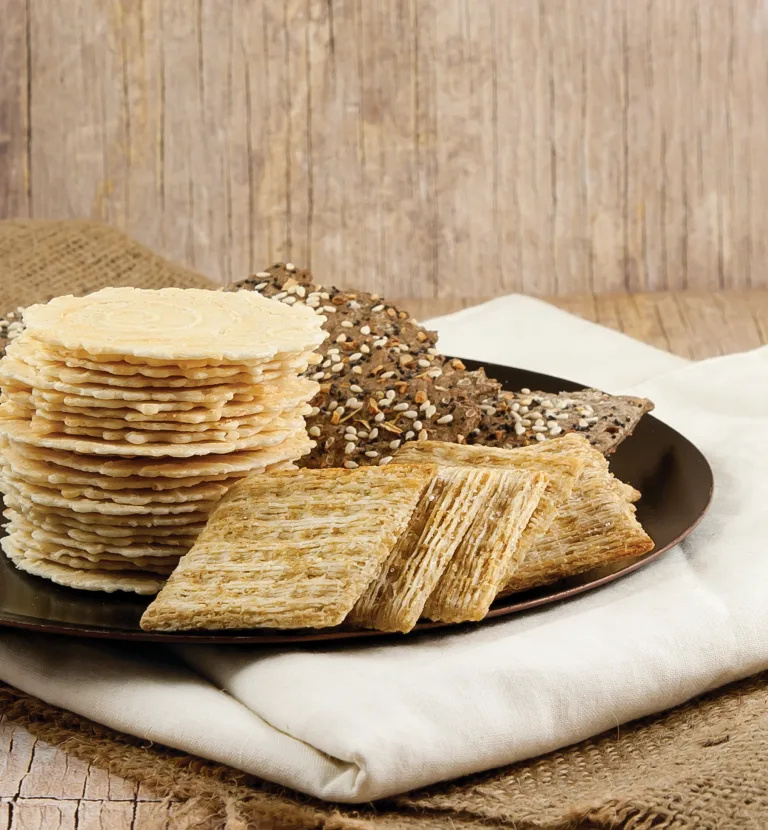
Crackers are the vehicle for meats, cheeses, and spreads. Keep flavors simple to let the stars shine. Showcase gourmet assortments like Wellington Crackers, with variety in one box.
Win-Win Across the Board
More customers are entertaining at home and craving unique boards. Stock up, provide signage and sampling events, and position your shop as the expert to increase sales and loyalty.

Share on Facebook

Share on X

Share on LinkedIn
Comment(s)
Recent Posts